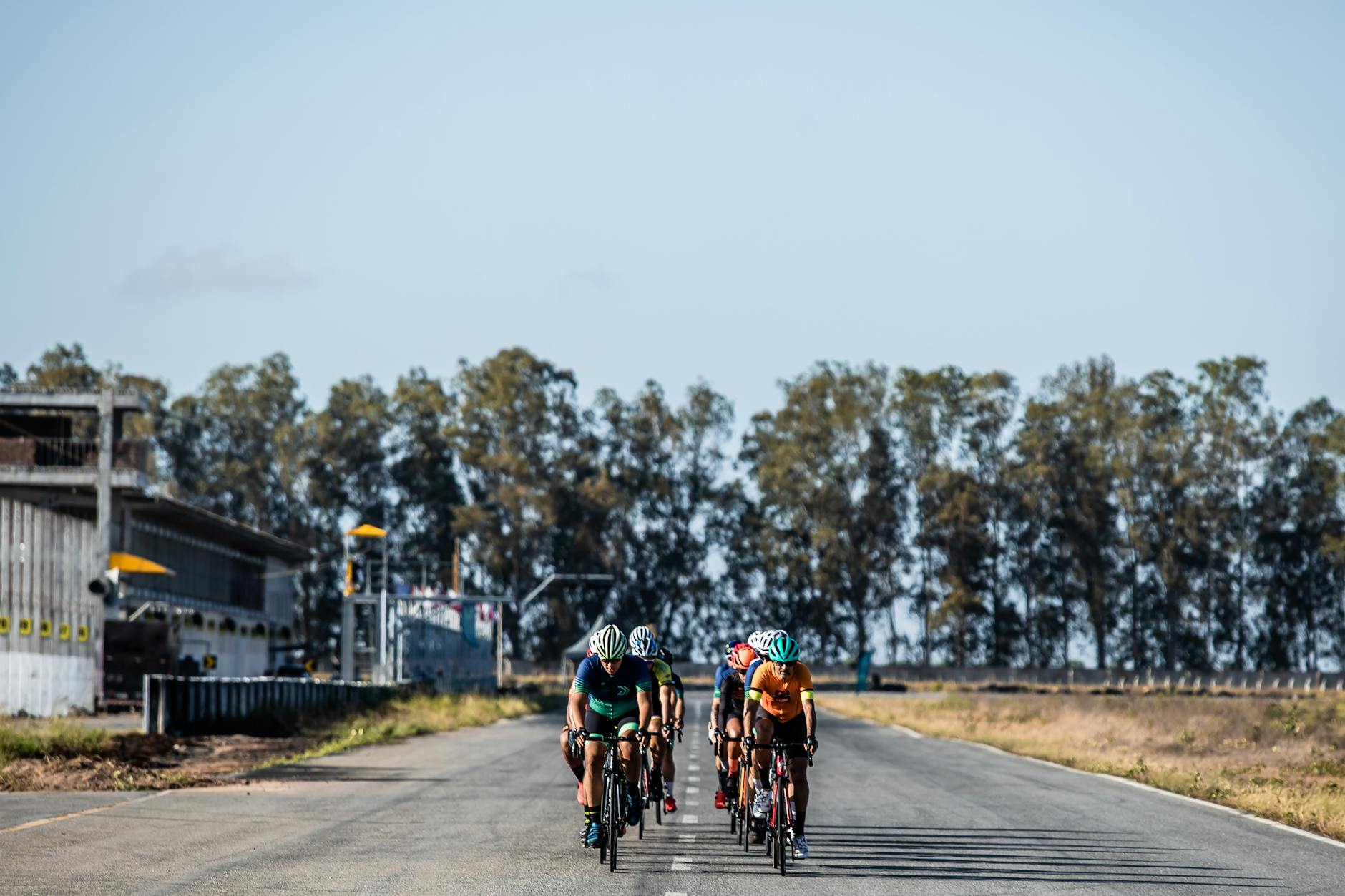
Cycling endurance is a critical component for both competitive cyclists and recreational riders aiming to enhance their fitness levels. Developing the ability to ride longer distances at a steady pace not only improves performance but also contributes to overall cardiovascular health. Understanding the principles behind effective cycling training can elevate your endurance and transform your cycling experience.
Endurance training is about more than just putting in the miles. It requires a well-structured approach that considers various factors such as intensity, frequency, and recovery. In this article, we will explore essential tips and strategies to build your cycling endurance effectively and sustainably.
Understanding the Aerobic Base
The foundation of cycling endurance lies in building an aerobic base. This refers to the body’s ability to consume and utilize oxygen efficiently. A strong aerobic base is crucial for sustaining prolonged physical activity. To develop this base, cyclists should focus on long, steady rides at a lower intensity. Aim for rides lasting 60 to 90 minutes, where you can maintain a conversation without gasping for breath. This kind of training promotes fat oxidation and helps condition your muscles.
Gradual Progression
One of the most common pitfalls in cycling training is the temptation to increase intensity or distance too quickly. This can lead to fatigue or injury. A safe rule of thumb is the 10 percent rule, which suggests that cyclists should increase their weekly mileage by no more than 10 percent. For example, if you ride 100 kilometers in a week, aim for only 110 kilometers the following week. This gradual progression gives your body time to adapt to the increasing load, enhancing endurance over time.
Incorporating Interval Training
While long, steady rides are essential, including interval training can greatly improve your cycling endurance. Intervals involve alternating between high-intensity bursts and lower-intensity recovery periods. For example, you might sprint for 30 seconds followed by two minutes of easy pedaling. This method increases your aerobic capacity and enhances your ability to recover quickly, ultimately allowing you to ride longer distances without fatigue.
Nutrition and Hydration
Proper nutrition and hydration play a critical role in endurance training. Consuming carbohydrates before and during long rides helps maintain energy levels, while protein aids in muscle repair. Aim for a diet rich in whole grains, fruits, and vegetables, alongside adequate hydration. It’s often recommended to drink water before feeling thirsty, and for rides longer than two hours, consider electrolyte drinks to replenish lost minerals.
Rest and Recovery
Lastly, never underestimate the power of rest. Recovery is when your body adapts to the training stresses. Incorporate rest days into your training plan and consider lighter training weeks to prevent burnout. Cross-training activities, like swimming or strength training, can also enhance recovery while improving overall fitness. Listening to your body is vital; if you’re feeling fatigued or unmotivated, allow yourself the time to recover properly.
Building cycling endurance is a multifaceted process that requires commitment, planning, and patience. By focusing on the aerobic base, gradual progression, interval training, nutrition, and recovery, cyclists can significantly enhance their endurance capabilities and enjoy longer, more fulfilling rides.
Leave a Reply