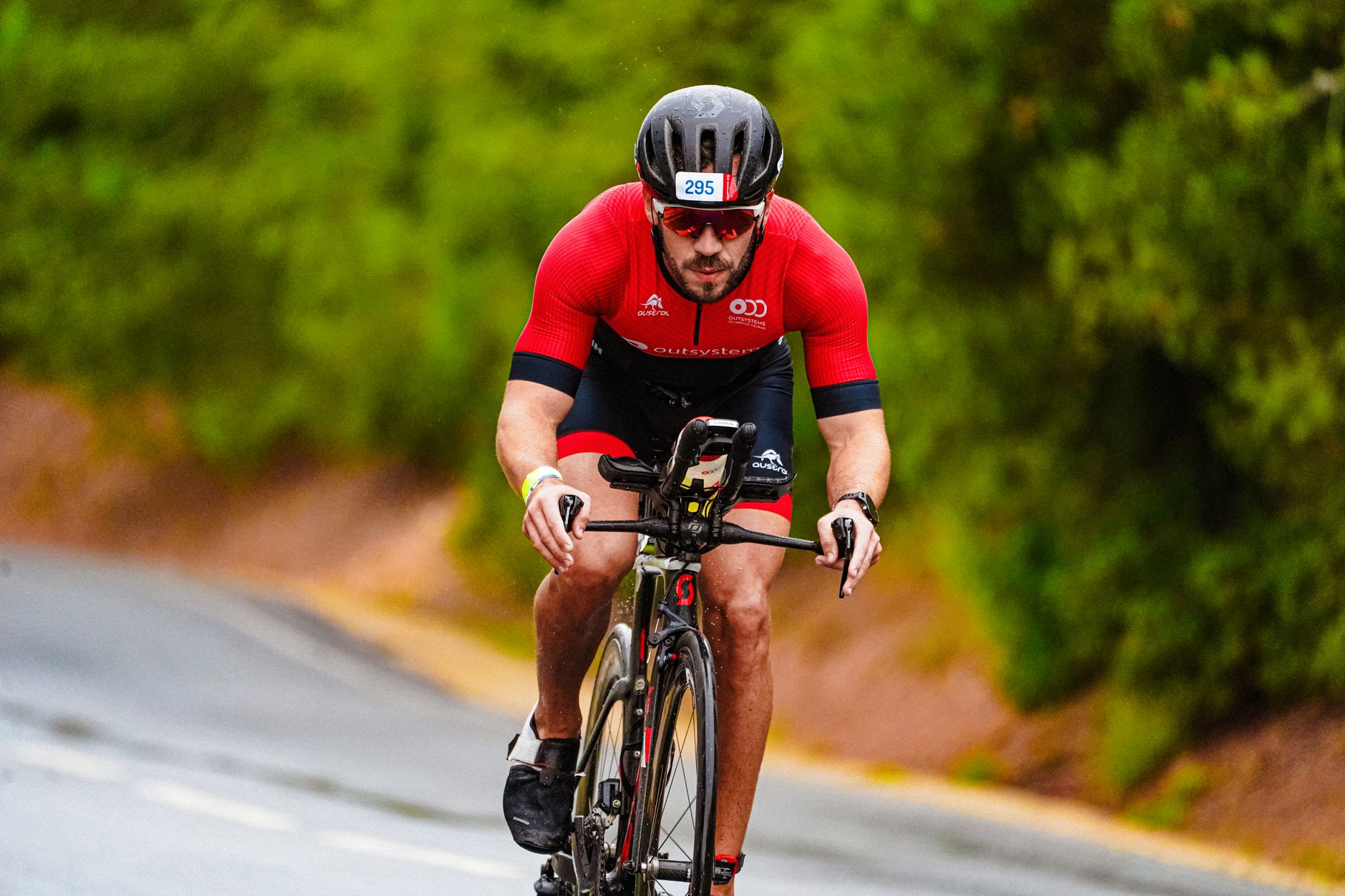
Cycling is not only a popular recreational activity but also a competitive sport where performance is crucial. Each cyclist aims to enhance their efficiency, speed, and endurance in various ways. Understanding how to improve cycling performance involves a multifaceted approach that includes training, nutrition, and mental preparedness.
This article explores ten effective strategies that can significantly enhance cycling performance for both amateur and seasoned cyclists alike. From structured training plans to dietary adjustments, these insights will help cyclists achieve their personal best.
1. Structured Training Plans
Creating a structured training plan is essential for progressive improvements. Incorporating various types of workouts such as long-distance rides, interval training, and hill climbs helps develop different aspects of your cycling. For instance, a study published in the Journal of Sports Sciences indicates that interval training can improve VO2 max, a key indicator of aerobic fitness.
2. Focus on Core Strength
A strong core provides stability and power transfer while cycling. Engaging in core strength exercises like planks and bridges can enhance your performance. According to a study from the International Journal of Sports Physical Therapy, cyclists with stronger cores exhibit improved power output and stability during rides.
3. Optimize Gear Choices
The choice of gear can affect cycling efficiency. For example, using a gear ratio that matches your riding conditions can lead to less fatigue and faster speeds. A lower gear can be advantageous on steep climbs, while a higher gear can be beneficial on flat terrains.
4. Proper Bike Fit
A well-fitted bike can prevent injuries and enhance performance. Make sure your bike’s saddle height, saddle position, and handlebar height are adjusted appropriately. Research shows that incorrect bike fitting leads to inefficiencies and can result in musculoskeletal injuries.
5. Nutrition and Hydration
Nutrition plays a critical role in cycling performance. A diet rich in carbohydrates, proteins, and healthy fats fuels long rides and aids in recovery. The American College of Sports Medicine recommends consuming carbohydrates prior to and during extended rides to maintain energy levels. Additionally, staying hydrated prevents fatigue and enhances overall performance.
6. Recovery Techniques
Recovery is just as important as training. Techniques such as foam rolling, massage, and adequate sleep help muscles repair and adapt. A report in the Sports Medicine journal highlights that proper recovery can lead to improved performance and reduced injury risk.
7. Mental Preparation and Focus
Psychological factors significantly impact cycling performance. Visualization techniques and setting specific goals can enhance mental focus. Athletes who practice mindfulness report better concentration on performance during competitions.
8. Monitor Performance with Technology
Utilizing performance-tracking devices can offer insights into your progress. Devices that measure heart rate, power output, and cadence allow cyclists to assess their training effectiveness and make necessary adjustments.
9. Group Rides and Competitions
Participating in group rides and competitions can motivate cyclists to push their limits. The social aspect of cycling can lead to improved performance through healthy competition and shared techniques.
10. Consistency is Key
Lastly, the importance of consistency cannot be overstated. Regular training, even at lower intensities, helps build endurance and strength over time. A consistent rider is more likely to see sustainable improvements in their cycling performance.
Leave a Reply