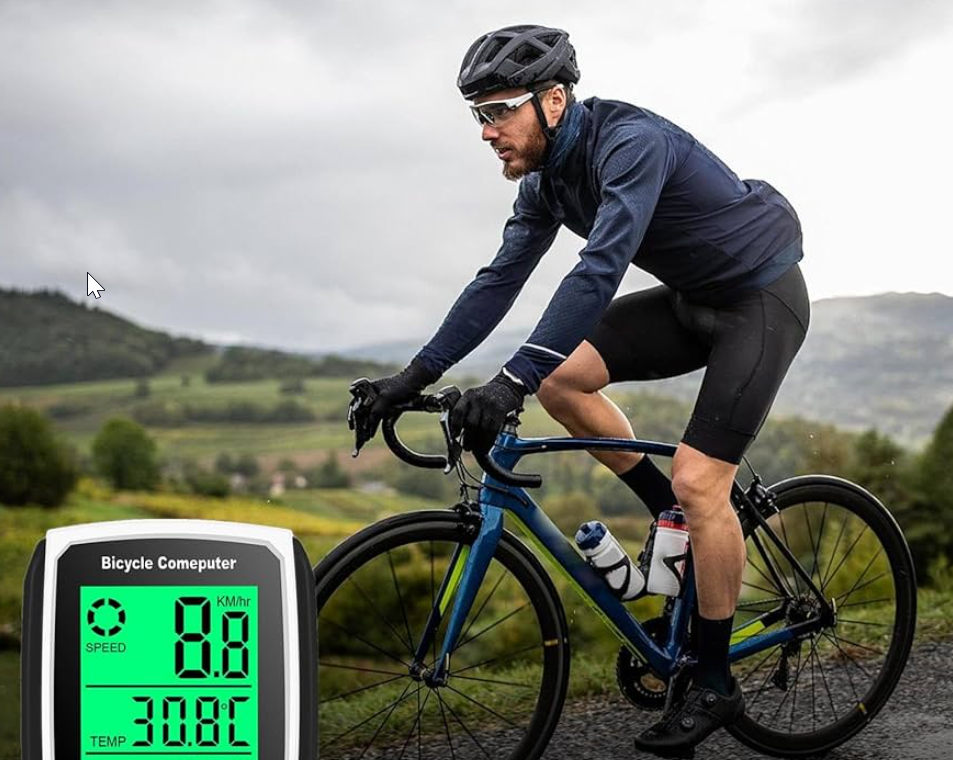
Cycling used to be guided almost entirely by instinct. You rode hard when you felt strong and backed off when your legs were heavy. Improvement was measured by memory and sensation. If a climb felt easier than it did last season, you assumed you were progressing. That approach worked for decades, especially before technology became deeply embedded in endurance sports.
The introduction of power meters and advanced bike computers changed everything. Instead of guessing effort, cyclists could now quantify it. A climb was no longer just “hard.” It became 280 watts for twelve minutes. Recovery rides were no longer “easy spins.” They were sessions strictly below a specific heart rate zone. The subjective became measurable, and the measurable became central to performance.
How Smart Devices Reshaped Training
Modern cycling technology has transformed even amateur training routines. Devices mounted on handlebars now display real-time power, cadence, heart rate, gradient, and elevation. After each ride, the data syncs automatically to analysis platforms that generate detailed reports on performance and fatigue.
Professional cycling adopted power-based training widely in the early 2000s. Since then, the method has proven highly effective. Structured training based on clearly defined intensity zones tends to produce more consistent improvements compared to random high-effort riding. Instead of riding hard every day, cyclists alternate between endurance, threshold, and recovery sessions with deliberate purpose.
Personally, I noticed a major difference once I started respecting training zones. Before using data consistently, many of my rides fell into a moderate intensity range. They were not easy enough to support recovery and not intense enough to stimulate adaptation. After adopting structured sessions guided by power and heart rate, my performance became more predictable. Threshold improved steadily, and fatigue was easier to manage.
Precision Pacing and Climbing Strategy
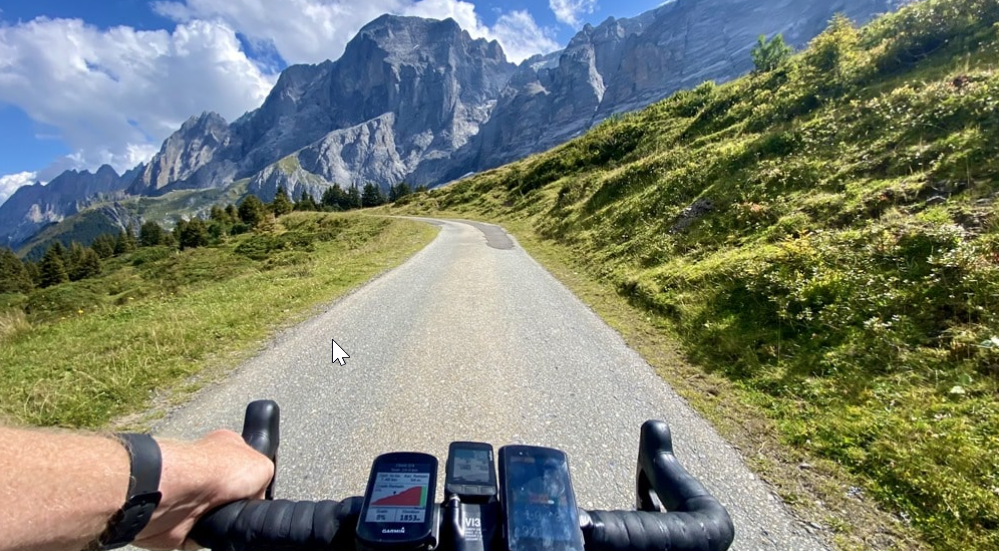
One of the most practical advantages of performance tracking is pacing. Knowing your functional threshold power allows you to distribute effort intelligently during long climbs. Without data, excitement or competition often leads to starting too aggressively. With real-time wattage feedback, it becomes easier to control effort and avoid early exhaustion.
Even small variations in power output can significantly influence results. Holding a steady effort slightly below threshold for an extended climb is often more effective than surging above it and fading later. This precision has become standard practice in professional races and increasingly common among dedicated amateurs.
Data also supports recovery management. Metrics such as accumulated training stress help identify when rest is necessary. Overtraining, once detected only after performance declined dramatically, can now be anticipated through workload trends. This proactive approach extends an athlete’s longevity and consistency.
The Digital Expansion of Cycling
The integration of technology into cycling extends beyond outdoor riding. Digital platforms like Zwift have combined real-world power output with immersive virtual environments. Riders can compete globally, participate in structured workouts, and simulate race conditions without leaving home.
This blend of sport and digital interaction introduces elements similar to competitive gaming. Strategy, optimization, and performance metrics become part of a broader system of progression. Training becomes interactive rather than repetitive, particularly during indoor sessions.
For many cyclists, this technological evolution increases engagement. Instead of viewing data as cold statistics, it becomes part of a dynamic feedback system that enhances motivation and focus.
The Risk of Overreliance
Despite its advantages, performance tracking carries potential downsides. Excessive focus on numbers can reduce the emotional and experiential aspects of cycling. A ride that feels satisfying may appear disappointing if the metrics do not align with expectations. When data becomes the sole measure of success, the intrinsic joy of riding can diminish.
There have been moments when I completed a ride that felt smooth and rewarding, only to discover later that my average power was lower than usual. For a brief moment, the numbers influenced my perception of the experience. That realization reinforced an important principle: technology should inform, not define, the ride.
Cycling remains an activity rooted in landscape, rhythm, and personal challenge. Data enhances understanding but should not replace intuition.
Are We Truly Riding Smarter?
In many respects, the answer is yes. We pace climbs more intelligently, structure training more effectively, and manage fatigue more responsibly. The accessibility of advanced metrics has democratized high-level training principles that were once limited to professional athletes.
However, intelligence in cycling is not solely about precision. It lies in the balance between analytics and awareness. The most effective riders combine measurable insight with self-perception. They use data to guide decisions but still listen to their bodies.
Smart devices and performance tracking have undoubtedly improved our ability to train with purpose. They reduce wasted effort and support long-term progression. Yet cycling’s core appeal remains unchanged. It is still about movement, exploration, and the satisfaction of overcoming terrain.
We are riding smarter today, provided we remember that numbers are tools. The road, the effort, and the experience remain the true foundation of the sport
Leave a Reply