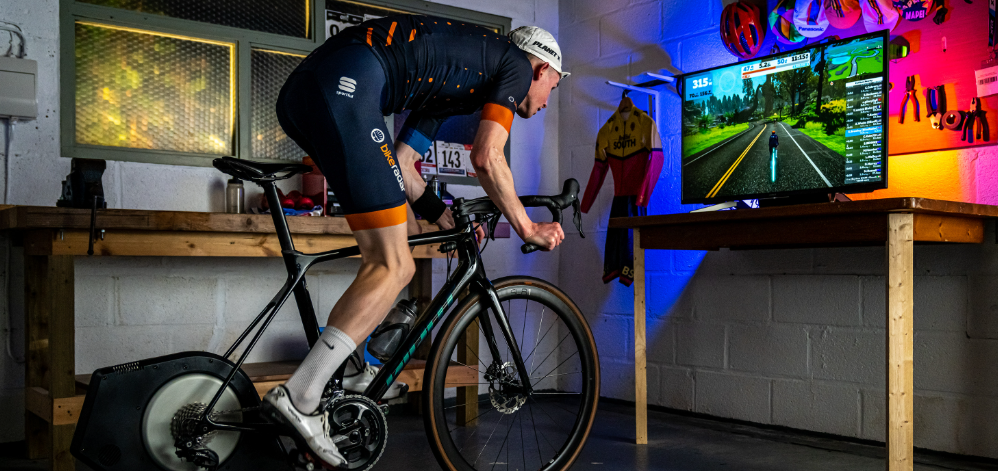

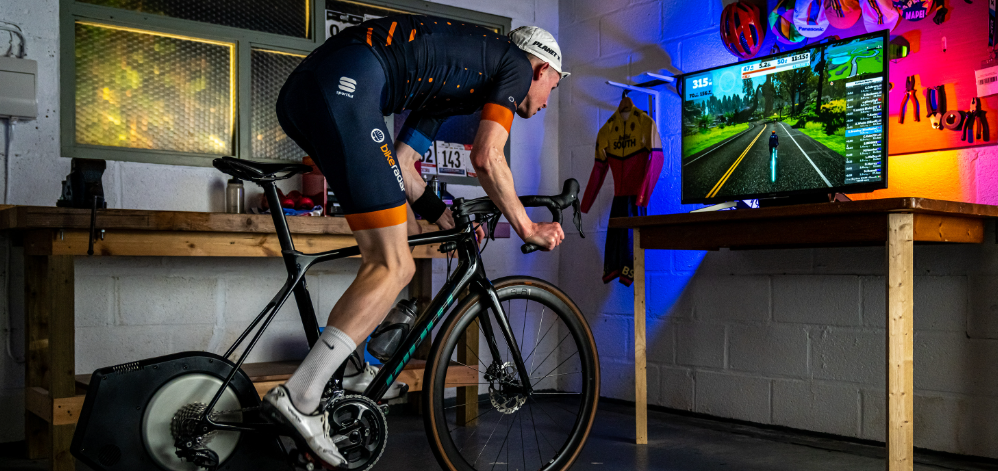
Cycling has quietly entered a new era. What used to be limited to roads, mountains, and velodromes has expanded into fully immersive digital environments. Online cycling games now allow riders to compete in real time using smart trainers that translate physical effort into virtual speed. The harder you push on the pedals, the faster your avatar moves across digital terrain.
Platforms such as Zwift helped popularize this model by turning indoor training into interactive racing. Riders can draft behind competitors, attack on climbs, and sprint for virtual finish lines. The physics mimic outdoor cycling closely enough that tactics genuinely matter. Pacing, timing, and power management are not optional. They determine the outcome.
What started as a motivational training tool has evolved into something more structured and competitive.
When Real Effort Meets Real Stakes
As online cycling communities grew, so did the competitive intensity. Organized tournaments began offering prize pools. Independent leagues formed with ranking systems and seasonal standings. In some cases, private competitions introduced entry fees and winner-take-all formats.
The concept is simple. Riders join a race, contribute a small buy-in, and compete based on performance metrics verified by smart trainers and power data. The fastest or most strategically disciplined rider takes the prize.
This development introduces an interesting psychological shift. When something is at stake, even a modest amount, decision-making changes. Riders pace more carefully. They conserve energy for the right moment. They treat virtual climbs with the same seriousness as outdoor races.
In many ways, it mirrors competitive gaming ecosystems where tournaments and prize pools elevate intensity. The difference here is that performance is powered by real physical output, not just hand-eye coordination.
The Role of Data and Fair Play
Introducing stakes into online cycling also increases scrutiny. Accurate power measurement becomes critical. Smart trainers must be calibrated properly. Data transparency is essential to maintain trust.
Many platforms now require dual recording systems or verification protocols for high-level events. Power spikes, unrealistic outputs, and suspicious metrics are flagged. Fair competition depends on reliable hardware and honest reporting.
Interestingly, this has pushed riders to understand their own numbers better. Knowing your functional threshold power, weight accuracy, and equipment calibration becomes part of strategic preparation. It is no longer just about fitness. It is about precision.
Strategy in a Virtual Peloton
Online cycling games reward tactical thinking. Drafting behind other riders reduces energy expenditure. Launching an attack at the base of a climb can split the group. Sprint timing within the final meters often determines victory.
When money or rewards are involved, risk management becomes central. Do you push above threshold early and hope others fade, or conserve energy for a decisive final sprint? These decisions resemble high-level race tactics outdoors, but the digital format compresses the action. Races are often shorter and more explosive.
From personal experience, the intensity of a competitive virtual race can be surprisingly high. Even though you are indoors, staring at a screen, the heart rate spikes just the same. The knowledge that performance directly affects outcome creates pressure. It demands focus.
Blurring the Line Between Sport and Esports
Online cycling with wagering elements occupies a unique space between traditional sport and esports. Unlike purely digital competitions, success depends on measurable physical output. Yet the environment, ranking systems, and tournament structures feel distinctly digital.
This hybrid format attracts different types of competitors. Some are outdoor cyclists seeking structured indoor racing. Others come from gaming backgrounds, drawn to performance metrics and competitive ladders.
The fusion of real athletic effort with digital competition creates a new kind of arena. It is accessible globally. Weather is irrelevant. Travel costs disappear. All that matters is preparation and output.
Risks and Responsibility
Whenever financial stakes are introduced, responsibility becomes important. Not every platform regulates private wagers or small community competitions. Riders must be aware of local regulations and ensure they participate in environments that prioritize fairness and transparency.
There is also the mental aspect. Competition can be motivating, but excessive focus on monetary reward may overshadow health and enjoyment. The original purpose of online cycling platforms was to enhance training and engagement. That balance should not be lost.
A New Competitive Frontier
Online cycling games with wagering elements represent an evolution of both sport and digital competition. They combine physical endurance, tactical awareness, and technological precision within a global virtual arena.
Are they replacing outdoor racing? No. The experience of climbing a real mountain or descending through open roads cannot be replicated fully on a screen. However, they offer an additional layer of competition that is accessible and measurable.
For riders who thrive on structure and challenge, the combination of real effort and real stakes can be compelling. It demands discipline, strategy, and composure under pressure.
Cycling has always been about performance and resilience. The digital age simply provides a new stage where those qualities can be tested, sometimes with more than pride on the line.
Leave a Reply