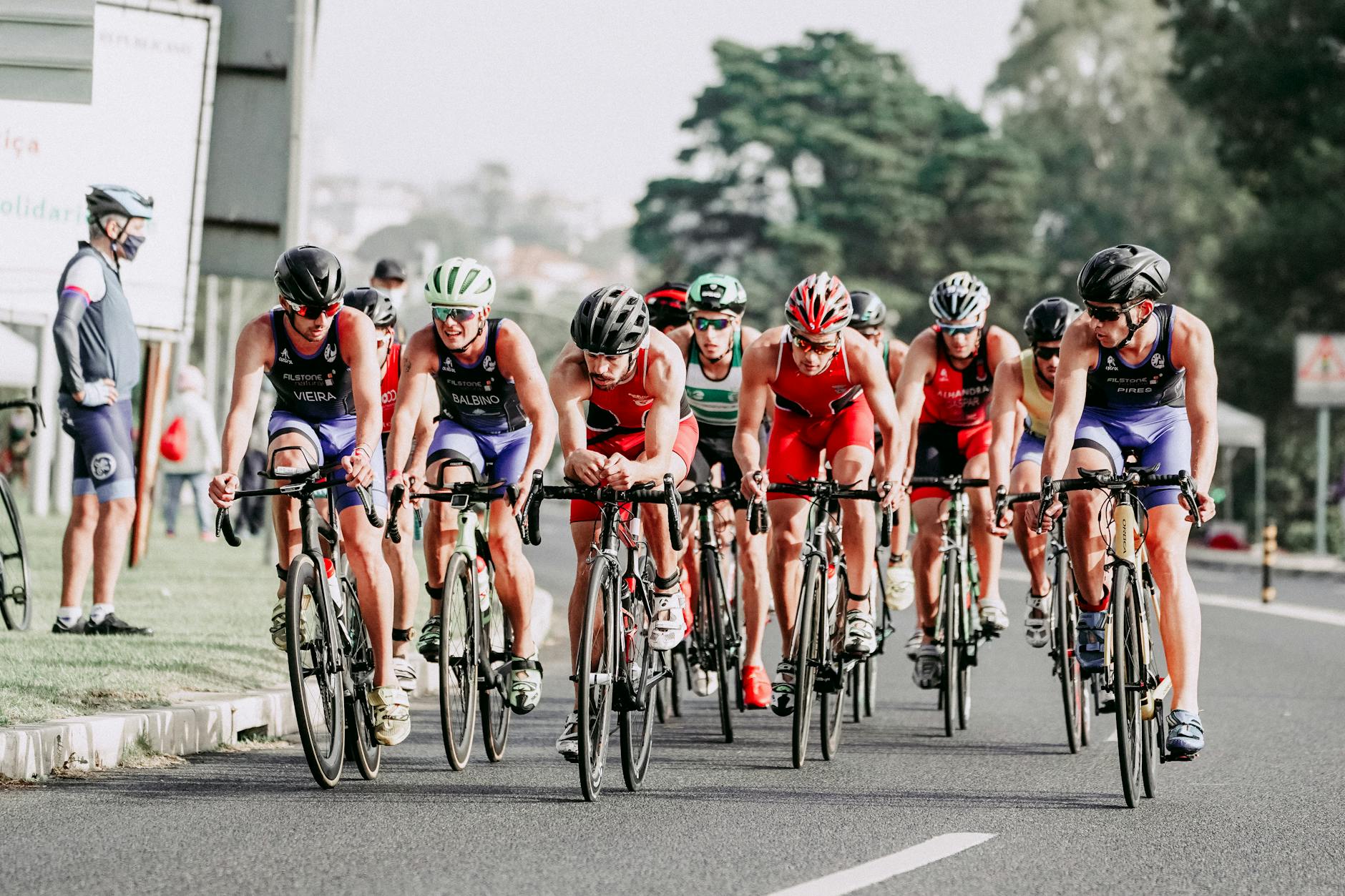
Cycling is not just a recreational activity; it is a powerful tool for enhancing fitness and building stamina. Many individuals turn to cycling for its numerous benefits, including cardiovascular health, muscle strengthening, and mental well-being. However, achieving optimal fitness and stamina on a bike requires more than simply riding regularly; it necessitates strategic training, nutrition, and recovery.
Understanding how to effectively enhance your cycling performance can dramatically improve your overall experience and health. Whether you are a beginner or an experienced cyclist, implementing targeted strategies can yield significant results.
Importance of Structured Training Plans
Structured training plans are crucial for improving cycling fitness and stamina. These plans typically incorporate various types of rides, including long-distance endurance rides, high-intensity interval training (HIIT), and recovery rides. For instance, a well-rounded plan might involve longer rides at a steady pace on weekends while including shorter, more intense sessions during the week. Research indicates that incorporating intervals can boost VO2 max, enhancing your oxygen uptake and overall performance.
Nutritional Considerations for Cyclists
The role of nutrition in cycling cannot be overstated. Consuming the right balance of carbohydrates, proteins, and fats is essential for fueling rides and aiding recovery. Carbohydrates are the primary energy source during cycling, so including whole grains, fruits, and vegetables in your diet is fundamental. For example, a cyclist might benefit from a meal that includes quinoa, grilled chicken, and steamed broccoli before a long ride. Furthermore, hydration is critical, as even mild dehydration can impair performance. Research shows that cyclists should aim to drink half a liter of water for every hour of riding.
Recovery Techniques for Better Stamina
Recovery is often overlooked but is vital for improving stamina and preventing injuries. After a long or intense ride, the body needs time to repair and rebuild muscle tissue. Techniques such as active recovery, foam rolling, and stretching can significantly enhance recovery. Active recovery involves low-intensity activities that promote blood flow without exerting additional stress on the body. For instance, a leisurely ride or a gentle swim can aid in muscle recovery while keeping you active.
The Role of Mental Stamina in Cycling
While physical training is essential, mental stamina plays a crucial role in cycling performance. Cyclists often face physical fatigue, but cultivating a strong mental game can help push through these barriers. Techniques such as visualization, mindfulness, and setting incremental goals can enhance mental resilience. For example, practicing mindfulness during rides can help maintain focus and improve overall enjoyment, allowing cyclists to push their limits.
Common Misconceptions About Cycling Fitness
Many believe that simply spending hours on the bike will automatically improve fitness and stamina. However, quality often outweighs quantity. Riding too much without structured intensity can lead to burnout and injury. Additionally, some cyclists think that strength training is unnecessary for endurance, but studies indicate that incorporating strength training can improve overall cycling performance by enhancing muscle power and efficiency.
In conclusion, improving cycling fitness and stamina is a multifaceted journey that involves strategic training, proper nutrition, effective recovery, and mental resilience. By understanding and implementing these key components, cyclists can achieve not only better performance but also a more fulfilling experience on their rides.
Leave a Reply