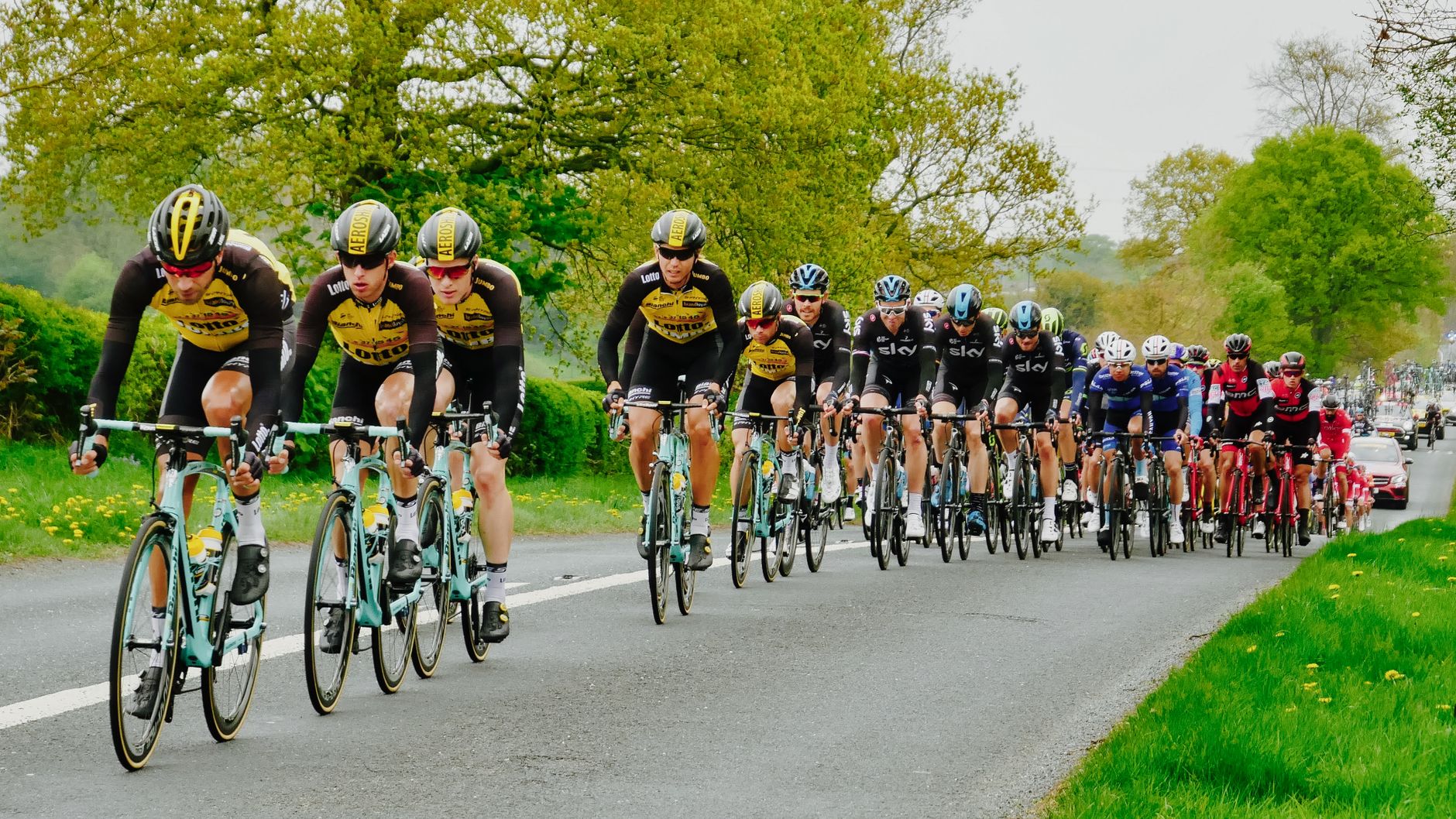
Cycling performance improvement is a multifaceted pursuit that goes beyond simply riding more miles. Whether you’re a weekend warrior or a seasoned competitor, understanding the science behind cycling can significantly enhance your efficiency, speed, and overall enjoyment. By integrating various strategies, from nutrition to training techniques, cyclists can unlock their full potential on the road or trail.
This article delves into ten effective ways to elevate your cycling performance, drawing on the latest research and expert recommendations.
1. Optimize Your Training Plan
A well-structured training plan is vital for enhancing cycling performance. Incorporating a mix of endurance rides, speed work, and strength training can help improve cardiovascular fitness and muscle strength. For instance, interval training, which involves alternating periods of high-intensity cycling with recovery, has been shown to boost both aerobic and anaerobic capacities. Studies indicate that cyclists who engage in interval training can improve their time-trial performance by as much as 6% in just a few weeks.
2. Focus on Nutrition and Hydration
Nutrition plays a critical role in cycling performance. Consuming the right balance of carbohydrates, proteins, and fats before, during, and after rides can influence energy levels and recovery. The American College of Sports Medicine recommends that endurance athletes consume around 6 to 10 grams of carbohydrates per kilogram of body weight daily. Additionally, hydration is paramount; even a 2% loss in body weight due to dehydration can impair performance significantly. Carrying a water bottle and consuming electrolytes during long rides can help maintain optimal hydration levels.
3. Invest in Proper Gear
The right cycling gear can markedly affect performance. A high-quality bike fitted to your body can reduce energy expenditure and improve comfort. Consider professional bike fitting services to ensure optimal positioning. Furthermore, investing in aerodynamic clothing and accessories can reduce drag, enhancing speed. Research shows that a good pair of aerodynamic wheels can save a cyclist 30 seconds over a 40-kilometer time trial compared to standard wheels.
4. Incorporate Cross-Training
Cross-training offers an excellent way to enhance cycling performance while reducing the risk of injury. Activities such as swimming, running, or strength training improve overall fitness and target muscle groups not used while cycling. For example, resistance training focusing on the core and legs can improve power output on the bike. A study published in the Journal of Strength and Conditioning Research found that incorporating strength training can lead to a significant increase in cycling power.
5. Prioritize Recovery
Recovery is often overlooked but is critical for performance improvement. Adequate rest allows the body to repair and strengthen itself after intense efforts. Incorporating rest days, active recovery rides, and sleep can help prevent burnout and overtraining. Furthermore, practices such as foam rolling and stretching can aid in muscle recovery and flexibility, promoting better cycling posture.
6. Monitor Your Progress
Tracking your cycling performance metrics is essential to identify areas for improvement. Utilizing a bike computer or mobile app to monitor speed, distance, and elevation can provide valuable insights into your training. Additionally, heart rate monitors can help gauge the intensity of your workouts, allowing for adjustments to ensure you remain in your optimal training zones. Studies show that athletes who track their performance are more likely to meet their goals.
7. Set Specific Goals
Setting specific, measurable, achievable, relevant, and time-bound (SMART) goals can provide motivation and direction in your training plan. For example, instead of aiming to “get faster,” set a goal to improve your mile time by 1 minute over the next month. This clarity helps to focus your training efforts and assess your progress more effectively.
8. Adapt to Environmental Conditions
Cycling in varying weather and terrain conditions requires adaptability. Training in different environments can enhance your resilience and prepare your body for race day. For example, practicing in windy or hilly conditions can help you learn how to manage energy output effectively. Studies indicate that cyclists who train in diverse conditions adapt better physiologically and mentally, leading to improved performance.
9. Join a Cycling Group
Riding with a cycling group can provide motivation and expose you to new techniques and strategies. Groups often organize training sessions that challenge riders to push their limits in a supportive environment. Additionally, the camaraderie found in group rides can keep motivation high, leading to more consistent training.
10. Embrace Mental Training
Finally, the mental aspect of cycling should not be underestimated. Visualization techniques, mindfulness, and mental conditioning can enhance focus and resilience during rides. Research in sports psychology shows that athletes who practice mental skills perform better under pressure, which can be particularly beneficial during competitive events.
Incorporating these ten strategies can lead to substantial improvements in cycling performance. By taking a holistic approach that combines physical training, nutrition, gear optimization, and mental resilience, cyclists can achieve their personal bests while enjoying the ride.
Leave a Reply