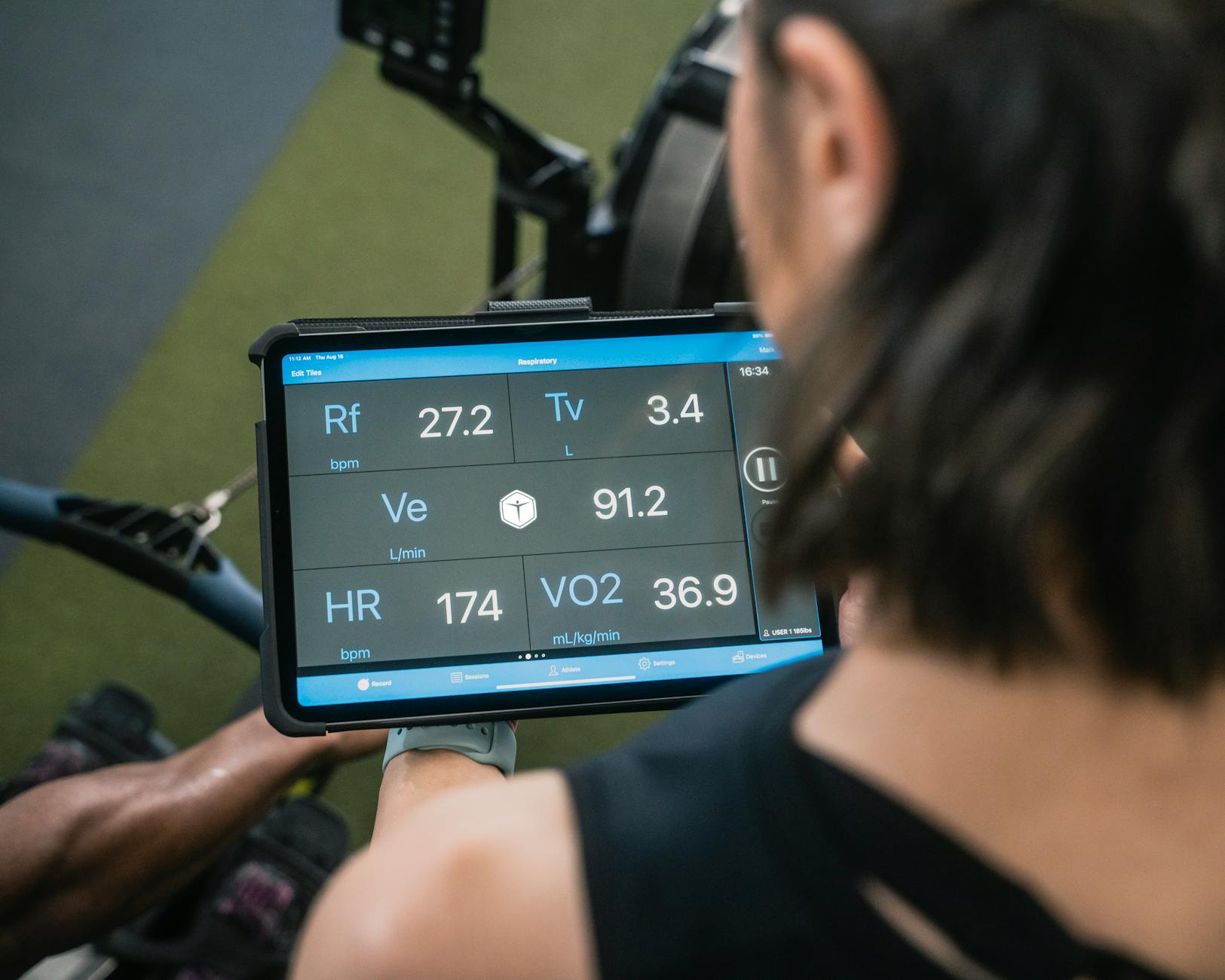
In today’s competitive sports landscape, the integration of data tracking is revolutionizing how athletes and coaches approach performance improvement. Utilizing technology to gather and analyze data has become indispensable for athletes aiming to enhance their skills, optimize training, and prevent injuries. From wearable devices to advanced analytics platforms, the tools available offer a treasure trove of insights that can elevate performance to new heights.
The significance of data tracking extends beyond mere statistics; it provides a comprehensive understanding of an athlete’s physical and mental state. By harnessing this information effectively, coaches can tailor training programs to individual needs, ensuring athletes perform at their best during crucial moments.
Understanding the Types of Data in Sports
To fully appreciate the value of data tracking in sports performance, it is vital to identify the types of data collected. Common categories include physiological data, biomechanical data, and performance metrics. Physiological data covers heart rate, oxygen consumption, and muscle fatigue, offering insights into an athlete’s fitness level. Biomechanical data focuses on movement patterns, analyzing gait, jump height, and stride length, while performance metrics evaluate outcomes such as speed, distance, and accuracy.
The Role of Wearable Technology
Wearable technology has transformed data tracking by enabling real-time monitoring of an athlete’s performance. Devices like heart rate monitors, GPS trackers, and smartwatches provide instant feedback, allowing athletes to adjust their intensity and workload on the fly. For example, a study published in the Journal of Sports Sciences found that athletes using GPS technology improved their training efficiency by 20% due to more precise adjustments based on performance data.
Data Analytics in Coaching
Data analytics plays a critical role in coaching decisions. Coaches can utilize software platforms to analyze data trends over time, helping to identify strengths and weaknesses. This analysis can lead to strategic training adjustments, optimizing recovery protocols, and even game-day tactics. Teams that employ analytics often report improved player performance and reduced injury rates, demonstrating the strong correlation between data-driven insights and athletic success.
Common Misconceptions About Data Tracking
Despite its advantages, misconceptions about data tracking persist. One common myth is that data collection is only necessary for elite athletes. In truth, athletes at all levels can benefit from understanding and utilizing data to enhance their performance. Additionally, some believe that data tracking can replace traditional coaching methods; however, it should complement, not replace, the invaluable intuition and experience of coaches.
Implementing Data Tracking in Training Regimens
Integrating data tracking into regular training sessions requires a structured approach. Athletes should start with clear objectives, defining what metrics are most relevant for their goals. For instance, a sprinter may focus on stride frequency and ground contact time, while a long-distance runner might prioritize heart rate and pacing strategies. Regularly reviewing and adjusting training plans based on data trends ensures that athletes remain on track to meet their performance targets.
In conclusion, data tracking in sports performance is not just a trend but a fundamental aspect of modern athletic training. By understanding the types of data, leveraging wearable technology, and utilizing analytics, athletes can gain a competitive edge and achieve their peak potential.
Leave a Reply