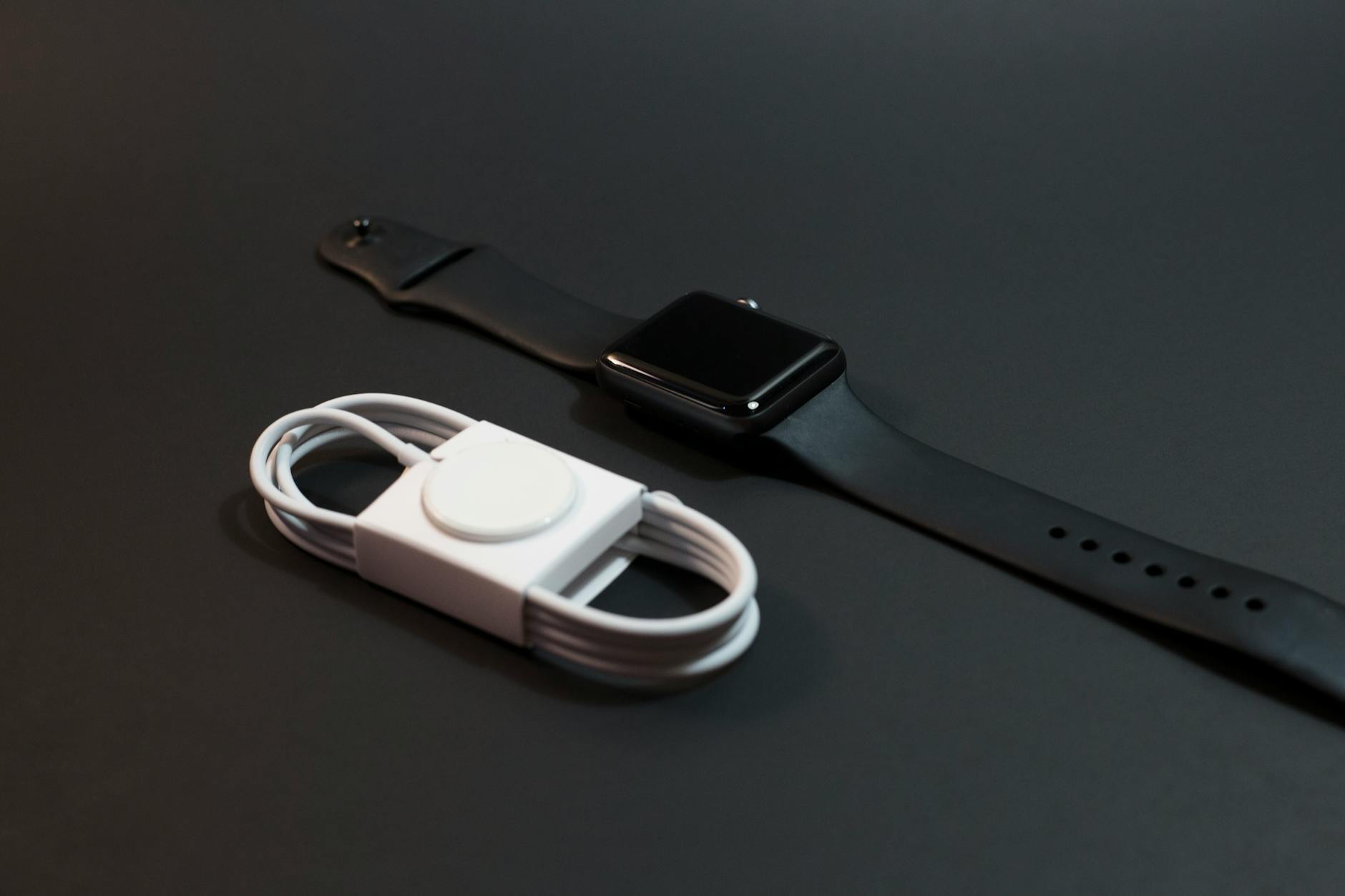
In the modern world of sports, technology plays a crucial role in enhancing performance and tracking progress. Athletes today have access to an array of smart devices designed to help them optimize their training, monitor their health, and analyze their performance in real time. From wearables that track vital signs to smart shoes that enhance running efficiency, these innovations are transforming how athletes prepare for competition.
While traditional training methods remain important, embracing smart technology can provide a competitive edge. However, not all devices are created equal, and understanding what features to look for is essential for maximizing benefits.
Wearable Fitness Trackers
Wearable fitness trackers, such as the Garmin Forerunner or Fitbit Charge, have become staples for many athletes. These devices monitor heart rate, steps, distance traveled, and even sleep patterns. A study by the Journal of Sports Science revealed that athletes who used fitness trackers improved their training consistency by 30% compared to those who relied on conventional methods.
The data collected from these devices can help athletes understand their physical limits and tailor their training regimens accordingly. For example, if an athlete notices a spike in heart rate during specific workouts, they might consider adjusting their intensity or incorporating recovery periods more strategically.
Smart Shoes
Another exciting development in sports technology is the advent of smart shoes. These devices are equipped with sensors that capture metrics like stride length, cadence, and foot strike patterns. Brands like Nike and Under Armour have introduced models that measure these parameters and provide feedback via connected apps.
Studies indicate that data from smart shoes can reduce the risk of injury by ensuring athletes are not overtraining or misaligning their bodies during workouts. For instance, runners can use their shoes’ data to identify potential biomechanical issues, allowing for timely adjustments to prevent injuries.
GPS and Heart Rate Monitors
GPS watches and heart rate monitors are indispensable for athletes involved in endurance sports such as running, cycling, or triathlons. Devices like the Polar Vantage or Suunto Ambit track speed, distance, and elevation, providing comprehensive feedback on training sessions. According to research published in the Journal of Sports Medicine, consistent monitoring of these metrics can lead to a 40% improvement in race times over a six-month training period.
These devices also help athletes monitor their exertion levels in real time. By analyzing heart rate data, athletes can find their optimal training zones, ensuring they are pushing their limits without risking burnout or injury.
Smart Training Equipment
Beyond wearables, smart training equipment such as connected stationary bikes and smart weights offer athletes a unique training experience. Products like the Peloton bike or Tonal strength system provide interactive workouts while tracking individual progress. A survey by Fitness Industry Association found that users of smart training equipment reported an increase in workout motivation by 50%.
Interactivity can significantly enhance the training experience, making workouts not only more effective but also more enjoyable. This engagement may lead to a higher commitment to training schedules, ultimately resulting in better performance.
Conclusion
As technology continues to advance, integrating smart devices into athletic training regimens is becoming essential for serious athletes. These tools offer invaluable insights that can lead to improved performance, injury prevention, and overall health. By leveraging the latest innovations, athletes can push their boundaries and achieve new personal bests.
Leave a Reply